 ×
×

The explosive growth of cross-border e-commerce has fundamentally transformed global retail dynamics, with consumers increasingly expecting fast, reliable delivery of products from international suppliers. At the heart of this transformation lies B2C air freight, a specialized logistics solution that enables businesses to efficiently transport goods directly to individual consumers across international borders. This shipping methodology has become indispensable for e-commerce companies seeking to expand their global footprint while maintaining competitive delivery standards.
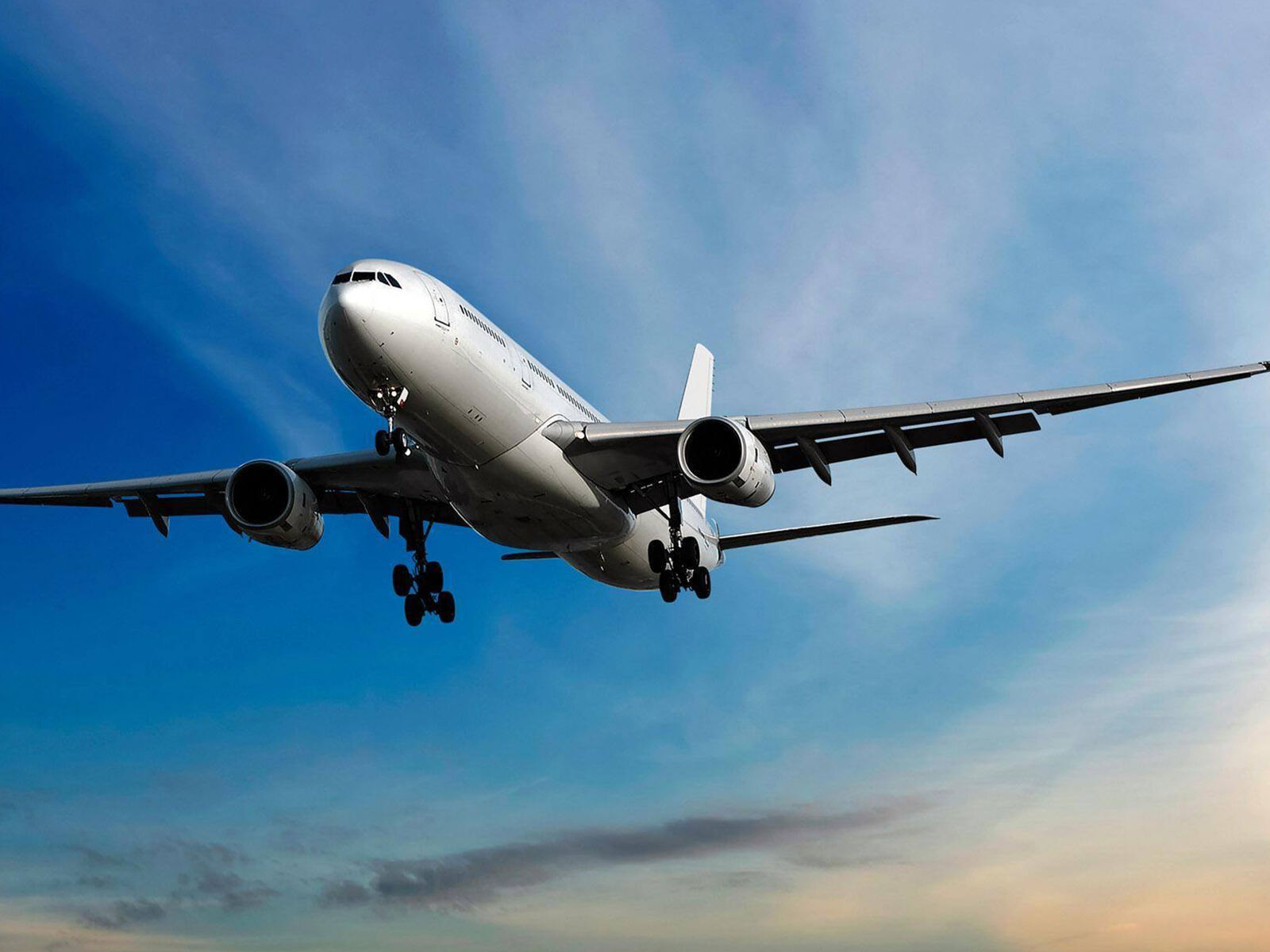
Unlike traditional B2B air freight services that focus on bulk shipments between businesses, B2C air freight addresses the unique challenges of delivering smaller packages to end consumers. This service model accommodates the modern consumer's demand for speed, transparency, and cost-effectiveness when purchasing products from overseas retailers. The strategic importance of B2C air freight extends beyond mere transportation, encompassing customs clearance, last-mile delivery coordination, and comprehensive tracking systems that enhance the overall customer experience.
Traditional international shipping models were primarily designed for large-scale commercial transactions between established business entities. These systems relied heavily on ocean freight for cost efficiency, accepting longer transit times as an acceptable trade-off. However, the rise of e-commerce has fundamentally altered consumer expectations, creating demand for faster delivery options that maintain reasonable shipping costs. B2C air freight emerged as the solution that bridges this gap, offering speed advantages over sea freight while remaining economically viable for individual consumer purchases.
The transformation of consumer behavior has been particularly pronounced in the post-pandemic era, where online shopping became not just convenient but essential. Cross-border e-commerce sales surged as consumers discovered products unavailable in their local markets, from specialized electronics to unique fashion items. This shift necessitated logistics solutions capable of handling thousands of individual packages efficiently, each with different destinations, customs requirements, and delivery preferences.
Modern B2C air freight operations leverage advanced technology platforms that seamlessly integrate with e-commerce systems. These platforms provide real-time inventory management, automated customs documentation, and predictive analytics that optimize routing and reduce delivery times. The integration of artificial intelligence and machine learning algorithms enables freight forwarders to anticipate demand patterns, pre-position inventory strategically, and minimize delays caused by customs clearance issues.
Digital transformation has also enhanced transparency throughout the shipping process. Consumers can now track their packages in real-time, receive proactive notifications about potential delays, and access detailed information about customs processing status. This level of visibility was virtually impossible with traditional shipping methods, where packages would disappear into the logistics network for weeks without meaningful updates.
The speed advantage of B2C air freight represents one of its most compelling benefits for cross-border e-commerce operations. While ocean freight typically requires 2-6 weeks for international deliveries, B2C air freight can reduce this timeframe to 3-10 business days depending on the destination and service level selected. This dramatic reduction in transit time directly translates to improved customer satisfaction and increased conversion rates for e-commerce retailers.
Fast delivery has become a key differentiator in competitive e-commerce markets, with many consumers willing to pay premium prices for expedited shipping options. Research indicates that delivery speed ranks among the top three factors influencing online purchase decisions, often outweighing price considerations for time-sensitive purchases. E-commerce businesses that leverage B2C air freight can capitalize on this consumer preference by offering delivery promises that traditional shipping methods cannot match.
B2C air freight proves particularly valuable during peak shopping seasons when traditional shipping methods become overwhelmed and unreliable. During holiday periods, Chinese New Year, or major sales events like Black Friday, air freight capacity allows e-commerce businesses to maintain consistent delivery performance while competitors struggle with extended delays. This reliability advantage helps businesses capture market share during critical sales periods when customer loyalty is often determined by fulfillment performance.
The flexibility of air freight networks also enables businesses to respond quickly to unexpected demand spikes or supply chain disruptions. When ocean freight faces delays due to port congestion or other logistical challenges, B2C air freight provides an alternative route that keeps products flowing to consumers. This agility has become increasingly important as global supply chains face ongoing volatility and uncertainty.
While air freight traditionally carried premium pricing, innovative consolidation methods have made B2C air freight increasingly cost-effective for e-commerce applications. Freight forwarders now offer consolidated services that combine multiple small shipments into larger air freight consignments, distributing costs across numerous packages. This approach significantly reduces the per-unit shipping cost compared to individual air freight shipments while maintaining the speed advantages that consumers demand.
The development of dedicated e-commerce air routes has further improved cost efficiency. Major logistics providers have established regular flight schedules between key manufacturing hubs and consumer markets, creating predictable capacity and competitive pricing structures. These dedicated routes often feature streamlined customs processing and optimized ground handling procedures that reduce both costs and transit times.
When evaluating B2C air freight costs, businesses must consider the total cost of ownership rather than simply comparing base shipping rates. Faster delivery times reduce inventory carrying costs, minimize the risk of product obsolescence, and decrease customer service expenses associated with delivery inquiries. Additionally, the reliability of B2C air freight reduces the costs associated with lost or delayed packages, including replacement product costs and customer compensation expenses.
The improved cash flow resulting from faster delivery cycles also provides significant financial benefits. Products that reach customers within a week generate revenue and customer feedback much faster than those shipped via slower methods. This acceleration of the sales cycle enables businesses to reinvest profits more quickly, respond to market trends more effectively, and maintain healthier working capital ratios.
B2C air freight opens previously inaccessible markets for e-commerce businesses by making international shipping feasible for a broader range of products and price points. Emerging markets with developing logistics infrastructure become viable customer bases when air freight can bypass unreliable ground transportation networks. This expanded market reach is particularly valuable for niche products or specialized items that may have limited local availability in various regions.
The comprehensive global coverage of air freight networks enables businesses to serve customers in remote locations where traditional shipping methods may be unavailable or prohibitively expensive. Island nations, landlocked countries, and regions with limited port facilities can all be reached efficiently through B2C air freight services. This universal accessibility helps e-commerce businesses achieve truly global market penetration without the traditional barriers associated with international expansion.
Professional B2C air freight services include comprehensive customs clearance support that simplifies international trade compliance for e-commerce businesses. Experienced freight forwarders understand the complex regulatory requirements of different countries and can ensure that shipments comply with all applicable laws and regulations. This expertise reduces the risk of customs delays, penalties, or seized merchandise that can devastate small e-commerce operations.
Advanced customs processing systems integrated with B2C air freight operations enable pre-clearance of shipments in many cases, further reducing delivery times and improving predictability. Electronic customs declarations, automated duty calculations, and digital documentation systems streamline the clearance process while maintaining full compliance with international trade regulations. This professional handling of customs procedures removes a significant barrier that previously prevented many small businesses from pursuing cross-border e-commerce opportunities.
Modern B2C air freight solutions feature sophisticated digital platforms that integrate seamlessly with popular e-commerce systems and marketplaces. These integrations enable automatic order processing, real-time inventory synchronization, and automated tracking updates that enhance operational efficiency while reducing manual intervention requirements. The ability to connect directly with platforms like Shopify, Amazon, or WooCommerce eliminates data entry errors and speeds up the fulfillment process significantly.
Application programming interfaces (APIs) allow e-commerce businesses to embed B2C air freight capabilities directly into their checkout processes, providing customers with accurate shipping quotes, delivery estimates, and tracking information without leaving the merchant's website. This seamless integration improves the customer experience while reducing cart abandonment rates associated with uncertain shipping costs or delivery timeframes.
State-of-the-art tracking systems provide unprecedented visibility into every stage of the B2C air freight process. GPS tracking, RFID technology, and IoT sensors monitor shipment location, environmental conditions, and handling events throughout the transportation chain. This comprehensive monitoring capability enables proactive problem resolution and provides customers with detailed delivery information that builds confidence and trust in the shipping process.
Automated communication systems keep customers informed through SMS messages, emails, and mobile app notifications at every critical milestone in the delivery process. These systems can also provide proactive alerts about potential delays, customs requirements, or delivery scheduling options that empower customers to manage their expectations and plan accordingly. The transparency and communication capabilities of modern B2C air freight services often exceed what customers experience with domestic shipping providers.
While air transportation inherently generates higher carbon emissions than ground or sea transport, modern B2C air freight operations increasingly focus on environmental sustainability through route optimization and fuel efficiency improvements. Consolidated shipment methods reduce the overall carbon footprint per package by maximizing aircraft utilization and minimizing empty space in cargo holds. Advanced routing algorithms identify the most fuel-efficient flight paths and connection points that minimize environmental impact while maintaining service quality.
The development of sustainable aviation fuels and more efficient aircraft engines continues to reduce the environmental impact of B2C air freight operations. Many logistics providers now offer carbon offset programs that allow e-commerce businesses and consumers to compensate for the environmental impact of their shipments through verified environmental projects. These initiatives help environmentally conscious businesses maintain their sustainability commitments while leveraging the speed and reliability advantages of air freight services.
B2C air freight operations drive innovation in sustainable packaging solutions that reduce weight, volume, and material waste. Lightweight packaging materials specifically designed for air transport minimize fuel consumption while providing adequate product protection. Biodegradable and recyclable packaging options increasingly replace traditional materials, reducing the environmental impact of cross-border e-commerce shipments.
Smart packaging technologies that monitor product condition during transit enable the use of minimal protective materials without compromising product safety. These innovations not only reduce environmental impact but also decrease shipping costs by minimizing package weight and volume. The continuous improvement in sustainable packaging solutions makes B2C air freight an increasingly environmentally responsible choice for cross-border e-commerce operations.
The future of B2C air freight will be shaped by continued technological advancement and automation across all aspects of the shipping process. Artificial intelligence and machine learning algorithms will become increasingly sophisticated in predicting demand patterns, optimizing routing decisions, and preventing delays through proactive problem-solving. Robotic systems in warehouses and airports will accelerate package processing while reducing handling errors and labor costs.
Blockchain technology promises to revolutionize customs processing and documentation management for B2C air freight operations. Immutable digital records will streamline international trade compliance while reducing fraud and improving security. Smart contracts could automate many aspects of the shipping process, from customs declarations to final delivery confirmation, further reducing costs and transit times while improving reliability.
The B2C air freight market will continue expanding as emerging economies develop stronger e-commerce infrastructure and consumer purchasing power. New trade routes and service corridors will open as demand grows in previously underserved regions. Specialized services for specific product categories, such as temperature-controlled shipments for pharmaceuticals or enhanced security for high-value electronics, will become more widely available and cost-effective.
Integration with last-mile delivery innovations, including autonomous vehicles and drone delivery systems, will further enhance the value proposition of B2C air freight services. These technologies will enable faster, more cost-effective final delivery while maintaining the speed advantages that make air freight attractive for cross-border e-commerce applications. The convergence of various transportation technologies will create seamless door-to-door delivery experiences that rival domestic shipping performance.
B2C air freight is specifically designed for direct-to-consumer shipments, featuring smaller package sizes, individual delivery addresses, and integrated customs clearance services. Traditional air cargo focuses on bulk shipments between businesses with standardized documentation and delivery to commercial facilities. B2C services include consumer-friendly features like detailed tracking, flexible delivery options, and customer service support tailored to individual buyers rather than commercial operations.
Transit times for B2C air freight typically range from 3-10 business days depending on the origin and destination countries, customs processing requirements, and service level selected. Express services can achieve delivery within 2-5 days for major routes, while standard B2C air freight services usually require 5-10 days. These timeframes include customs clearance and domestic delivery to the final destination address, making them significantly faster than ocean freight alternatives.
While B2C air freight typically costs more per shipment than ocean freight, it offers superior value when considering total cost of ownership, including reduced inventory carrying costs, faster cash flow, and improved customer satisfaction. Consolidation services and dedicated e-commerce routes have made air freight increasingly competitive, especially for higher-value products where speed justifies the premium. Many businesses find that the revenue benefits of faster delivery outweigh the additional shipping costs.
B2C air freight shipments require commercial invoices, airway bills, customs declarations, and any product-specific certificates or permits required by destination countries. Professional freight forwarders typically handle documentation preparation and submission, ensuring compliance with all applicable regulations. Electronic documentation systems streamline this process and reduce processing times, while automated systems can generate required paperwork directly from e-commerce order data to minimize manual preparation requirements.


