 ×
×

In today's rapidly evolving e-commerce landscape, businesses face unprecedented pressure to deliver products to customers faster than ever before. The traditional logistics models that once sufficed are now being challenged by consumer expectations for rapid, reliable delivery. This shift has led to the emergence of dedicated B2C air freight lines as a game-changing solution for companies seeking to accelerate their delivery capabilities while maintaining cost-effectiveness and reliability.
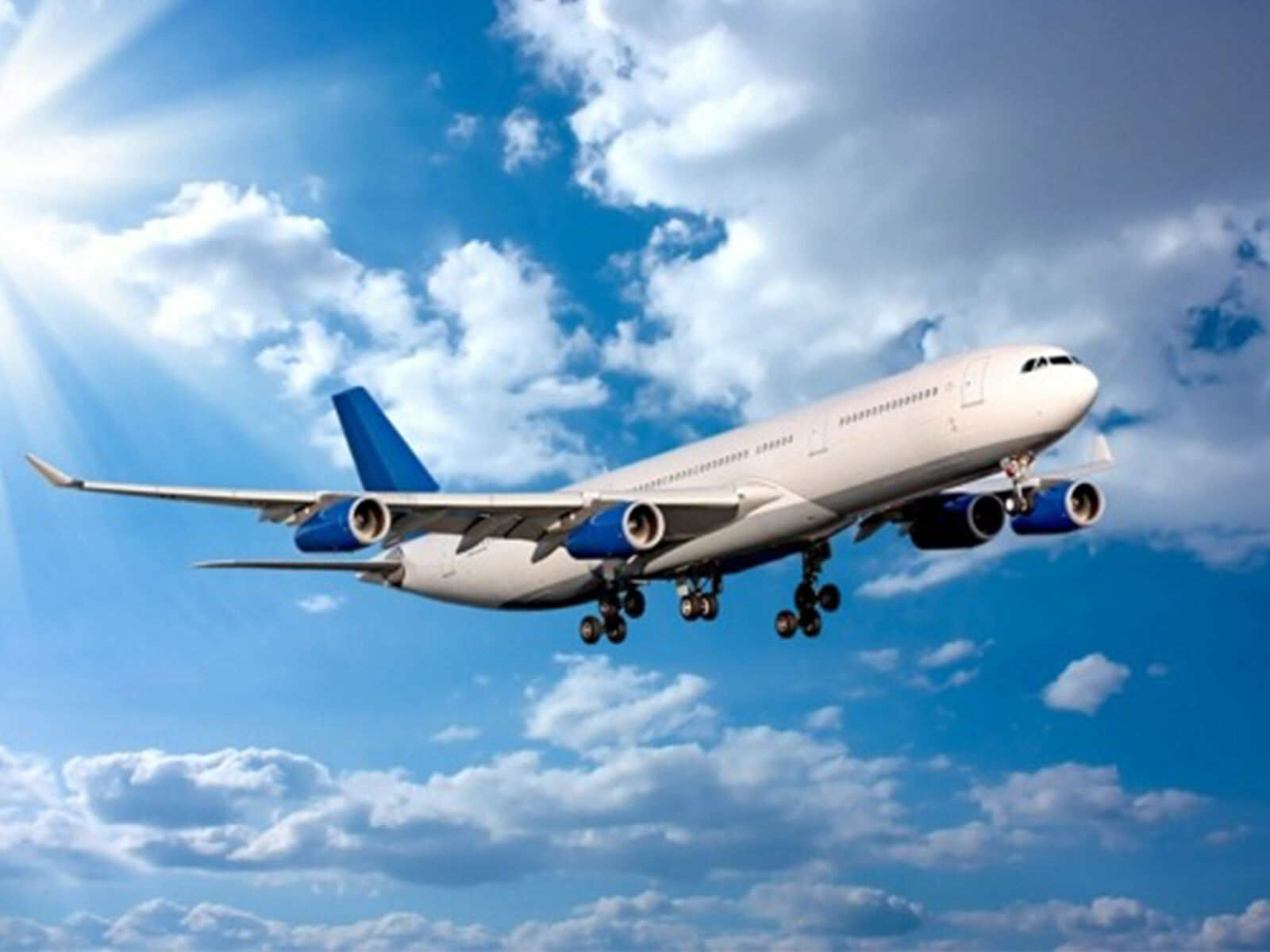
The concept of dedicated B2C air freight lines represents a fundamental departure from traditional shipping methods. Instead of relying on general cargo flights or consolidated shipping services, businesses can now leverage specialized air transport networks designed specifically for business-to-consumer deliveries. These services prioritize speed, tracking capabilities, and customer satisfaction while providing the flexibility needed to handle varying package sizes and delivery requirements.
Dedicated B2C air freight lines operate on sophisticated networks that combine strategic airport hubs, specialized aircraft, and advanced logistics management systems. These networks are specifically designed to handle the unique challenges of business-to-consumer shipping, including varying package sizes, diverse destination requirements, and tight delivery windows. The infrastructure supporting these services includes dedicated sorting facilities, temperature-controlled storage areas, and specialized handling equipment designed to maintain package integrity throughout the shipping process.
The operational framework of these services relies heavily on predictive analytics and real-time tracking systems. Advanced algorithms analyze shipping patterns, seasonal demands, and route optimization opportunities to ensure maximum efficiency. This technological foundation enables businesses to offer customers precise delivery estimates and real-time tracking information, significantly enhancing the overall customer experience while reducing operational costs.
Modern dedicated B2C air freight lines leverage cutting-edge technology to streamline operations and improve delivery performance. Automated sorting systems, IoT-enabled tracking devices, and machine learning algorithms work together to create a seamless logistics experience. These technological innovations enable real-time visibility into package location, condition monitoring during transit, and predictive maintenance scheduling for aircraft and ground equipment.
Integration with e-commerce platforms and customer relationship management systems allows businesses to provide customers with detailed tracking information, delivery notifications, and proactive communication about potential delays or issues. This level of transparency and communication significantly improves customer satisfaction while reducing support inquiries and associated costs.
The primary advantage of dedicated B2C air freight lines lies in their ability to dramatically reduce delivery times compared to traditional shipping methods. While standard ground transportation may require several days or weeks for long-distance deliveries, dedicated air freight can often complete the same delivery within 24 to 48 hours. This speed advantage is particularly valuable for time-sensitive products, seasonal merchandise, or businesses operating in highly competitive markets where delivery speed can be a significant differentiator.
Reliability represents another crucial benefit, as dedicated B2C air freight lines typically offer more predictable delivery schedules and reduced risk of delays compared to consolidated shipping services. The dedicated nature of these services means that packages are not subject to the scheduling constraints and potential delays associated with mixed cargo flights or ground transportation bottlenecks.
While dedicated B2C air freight lines may initially appear more expensive than traditional shipping methods, the total cost of ownership often reveals significant value. Faster delivery times can lead to increased customer satisfaction, higher conversion rates, and improved customer lifetime value. Additionally, the reduced need for extensive warehouse networks and inventory management can offset the higher transportation costs.
The improved reliability and tracking capabilities of dedicated air freight services can also reduce costs associated with lost packages, customer service inquiries, and return processing. These operational efficiencies contribute to a positive return on investment that extends beyond simple shipping cost comparisons.
Successful implementation of dedicated B2C air freight lines requires careful consideration of route optimization and network design. Businesses must analyze their customer distribution patterns, seasonal demand variations, and product characteristics to determine the most effective hub locations and flight schedules. This analysis should consider factors such as airport capacity, customs processing efficiency, and ground transportation connectivity to ensure end-to-end delivery optimization.
Strategic partnerships with regional carriers and ground transportation providers can extend the reach of dedicated B2C air freight lines while maintaining service quality. These partnerships enable businesses to offer comprehensive door-to-door delivery services without the need to develop extensive ground infrastructure in every market.
Effective utilization of dedicated B2C air freight lines requires specialized package preparation and handling protocols. Products must be packaged to withstand the unique stresses of air transportation, including pressure changes, temperature variations, and handling requirements at multiple transfer points. Proper labeling, documentation, and package identification systems are essential for maintaining tracking accuracy and ensuring efficient sorting and delivery processes.
Training programs for warehouse staff and logistics personnel should emphasize the specific requirements of air freight shipping, including weight and dimensional restrictions, hazardous material regulations, and documentation requirements. This training ensures that packages are prepared correctly for air transport and helps prevent delays or additional costs associated with non-compliance issues.
Modern dedicated B2C air freight lines incorporate sophisticated tracking and visibility systems that provide real-time information about package location, status, and estimated delivery times. These systems typically include GPS tracking, barcode scanning, and automated status updates that keep both businesses and customers informed throughout the delivery process. Advanced analytics capabilities enable identification of potential issues before they impact delivery performance.
Integration with customer communication systems allows for proactive notification about delivery status changes, potential delays, and successful deliveries. This level of visibility and communication significantly improves customer satisfaction while reducing the burden on customer service teams to handle tracking inquiries.
Establishing comprehensive performance metrics is essential for optimizing the effectiveness of dedicated B2C air freight lines. Key performance indicators should include delivery time accuracy, package damage rates, customer satisfaction scores, and cost per delivery. Regular analysis of these metrics enables identification of improvement opportunities and helps justify continued investment in dedicated air freight services.
Continuous improvement processes should focus on route optimization, handling procedures, and technology upgrades that can further enhance delivery performance. Regular review of carrier performance, customer feedback, and operational efficiency metrics ensures that the dedicated B2C air freight lines continue to meet evolving business requirements and customer expectations.
The future of dedicated B2C air freight lines will be shaped by emerging technologies such as autonomous aircraft, artificial intelligence, and advanced materials science. These innovations promise to further reduce delivery times, improve reliability, and lower operational costs. Drone delivery systems for last-mile delivery and electric aircraft for short-haul routes represent potential game-changing developments that could revolutionize the industry.
Artificial intelligence and machine learning algorithms will continue to improve route optimization, demand forecasting, and predictive maintenance capabilities. These technologies will enable even more efficient utilization of dedicated B2C air freight lines while reducing operational costs and environmental impact.
Environmental sustainability is becoming an increasingly important consideration for businesses implementing dedicated B2C air freight lines. Advanced aircraft designs, alternative fuels, and carbon offset programs are being developed to reduce the environmental impact of air freight operations. Companies are also exploring consolidated shipping strategies and route optimization techniques that can reduce fuel consumption while maintaining delivery speed advantages.
The development of more efficient aircraft engines, lightweight materials, and alternative propulsion systems will continue to improve the environmental profile of dedicated B2C air freight lines. These developments will enable businesses to maintain competitive delivery speeds while meeting sustainability goals and regulatory requirements.
Dedicated B2C air freight lines typically cost 30-50% more than standard ground shipping methods for similar distances. However, the total cost of ownership often favors air freight when considering factors such as reduced inventory carrying costs, improved customer satisfaction leading to higher retention rates, and the ability to charge premium prices for faster delivery. The exact cost differential depends on factors including package weight, destination, and service level requirements.
Dedicated B2C air freight lines typically include comprehensive customs clearance services as part of their offering. These services include preparation of necessary documentation, duty and tax calculation, and coordination with customs authorities to expedite clearance processes. Many providers maintain dedicated customs brokerage teams and leverage advanced technology systems to streamline international shipping procedures and minimize delays.
Products that benefit most from dedicated B2C air freight lines include high-value items, time-sensitive products, perishable goods, and items where delivery speed provides a competitive advantage. Electronics, pharmaceuticals, fashion items, and specialty foods are common categories that utilize these services. Products with high value-to-weight ratios typically show the best return on investment when shipped via dedicated air freight services.
Success measurement should focus on both operational metrics and business impact indicators. Key metrics include delivery time reduction, customer satisfaction scores, repeat purchase rates, and overall shipping cost per order. ROI calculation should consider factors such as increased sales due to faster delivery options, reduced customer service costs, and improved inventory turnover. Most businesses see positive ROI within 6-12 months of implementation when properly executed.


