 ×
×

In today's interconnected global marketplace, businesses face unprecedented challenges in managing their supply chain logistics efficiently. The integration of B2B air and sea freight options has emerged as a strategic solution that enables companies to optimize their shipping operations while maintaining cost-effectiveness and reliability. This comprehensive approach allows organizations to leverage the unique advantages of both transportation modes, creating a more flexible and responsive logistics framework that can adapt to varying business requirements and market conditions.
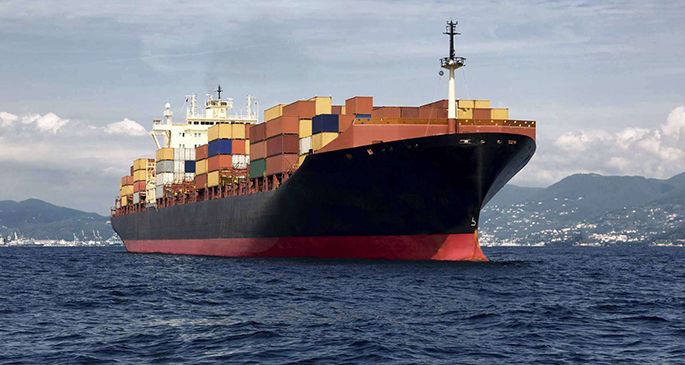
The primary advantage of integrating B2B air and sea freight lies in the ability to optimize costs based on shipment urgency and cargo characteristics. Sea freight typically offers significantly lower per-unit costs for large volume shipments, making it ideal for non-urgent inventory replenishment and bulk commodities. Conversely, air freight provides rapid transit times that justify higher costs for time-sensitive goods, high-value items, or emergency shipments that require immediate delivery to prevent production disruptions.
Companies can develop sophisticated routing algorithms that automatically determine the most cost-effective transportation mode based on factors such as cargo weight, dimensions, destination, delivery timeline, and seasonal pricing fluctuations. This strategic approach to B2B air and sea freight integration enables businesses to reduce overall logistics expenses by 15-25% compared to single-mode transportation strategies, while maintaining service quality standards that meet customer expectations.
The freight industry experiences significant price volatility due to fuel costs, capacity constraints, seasonal demand patterns, and geopolitical factors. By maintaining relationships with both air and sea freight providers, businesses can capitalize on favorable pricing opportunities and avoid being locked into unfavorable rates during market peaks. This flexibility becomes particularly valuable during global disruptions, such as port congestion or airline capacity shortages, when alternative routing options can prevent costly delays.
Furthermore, integrated B2B air and sea freight operations enable companies to negotiate better rates with carriers by demonstrating volume commitments across multiple transportation modes. This consolidated purchasing power often results in preferential pricing, priority booking status, and enhanced service levels that would be difficult to achieve through fragmented transportation relationships.
Relying solely on a single transportation mode creates vulnerability to disruptions that can severely impact business operations. The integration of B2B air and sea freight provides essential redundancy that protects against various risk scenarios, including natural disasters, labor strikes, equipment failures, and regulatory changes. When sea freight routes experience delays due to port congestion or weather conditions, businesses can quickly pivot to air freight for critical shipments, ensuring continuity of operations and customer satisfaction.
This diversification strategy extends beyond simple backup planning to encompass proactive risk management. Companies can distribute their cargo across multiple transportation modes based on risk assessment models that consider factors such as route reliability, seasonal weather patterns, geopolitical stability, and infrastructure quality. Such comprehensive planning ensures that no single point of failure can completely disrupt the supply chain, providing stakeholders with confidence in the organization's operational resilience.
Market demand fluctuations require flexible logistics solutions that can scale transportation capacity up or down based on business requirements. B2B air and sea freight integration provides this adaptability by allowing companies to shift cargo between transportation modes based on capacity availability, seasonal demand patterns, and promotional campaigns that may generate unexpected volume spikes.
During peak seasons, businesses can utilize additional air freight capacity to handle overflow volumes that exceed sea freight allocations, while during slower periods, they can maximize cost savings by routing more cargo through economical sea freight channels. This dynamic approach to capacity management ensures optimal resource utilization while maintaining service level agreements with customers and business partners.
Modern B2B customers expect transportation solutions that align with their specific operational requirements and budget constraints. By offering both air and sea freight options, companies can provide customized logistics solutions that cater to different customer segments and shipment types. Some customers prioritize cost minimization and can accommodate longer transit times, while others require rapid delivery to support just-in-time manufacturing or respond to urgent market opportunities.
This comprehensive service portfolio enables businesses to compete more effectively in diverse market segments and geographic regions where transportation preferences may vary significantly. Companies that master B2B air and sea freight integration often become preferred suppliers because they can adapt their logistics approach to match customer requirements without compromising operational efficiency or profitability.
Integrated transportation management systems that coordinate both air and sea freight operations provide superior visibility and control over cargo movements. Advanced tracking technologies enable real-time monitoring of shipments across different transportation modes, allowing businesses to proactively communicate delivery status to customers and make informed decisions about potential routing changes or expedited services when necessary.
This enhanced visibility extends to predictive analytics capabilities that can forecast potential delays, identify optimal routing alternatives, and automatically trigger contingency plans when predetermined thresholds are exceeded. Such sophisticated logistics intelligence transforms B2B air and sea freight operations from reactive to proactive, enabling companies to exceed customer expectations while minimizing operational costs and risks.
Successful implementation of integrated B2B air and sea freight operations requires robust technology infrastructure that can seamlessly coordinate multiple transportation modes, carriers, and service providers. Modern transportation management systems must support multi-modal routing optimization, automated carrier selection, real-time tracking integration, and comprehensive reporting capabilities that provide actionable insights for continuous improvement.
Companies should invest in platforms that offer standardized data integration with various carrier systems, enabling seamless information flow and reducing manual processing requirements. This technological foundation supports scalable operations that can accommodate business growth while maintaining operational efficiency and accuracy across increasingly complex logistics networks.
Building strong relationships with reliable carriers in both air and sea freight segments requires strategic partnership approaches that go beyond transactional interactions. Companies should establish performance metrics, service level agreements, and collaborative improvement programs that align carrier capabilities with business objectives and customer requirements.
Regular performance reviews, capacity planning sessions, and joint problem-solving initiatives help optimize B2B air and sea freight operations while building trust and collaboration with key transportation partners. These relationships become particularly valuable during challenging market conditions when preferred partners may provide priority service or preferential pricing that creates competitive advantages.
The optimal transportation mode selection depends on multiple factors including cargo characteristics, urgency requirements, cost constraints, and destination specifics. Companies typically develop decision matrices that weigh these factors against transportation costs and transit times to determine the most suitable option for each shipment. Advanced analytics and machine learning algorithms can automate this decision-making process based on historical performance data and real-time market conditions.
Key challenges include coordinating different documentation requirements, managing varying transit times and scheduling, integrating disparate tracking systems, and maintaining consistent service quality across transportation modes. Companies must also navigate different regulatory environments and customs procedures that apply to air versus sea freight shipments. Successful integration requires comprehensive planning, robust technology infrastructure, and strong partnerships with experienced logistics providers.
Integrated transportation options enable more sophisticated inventory management approaches, including safety stock optimization, strategic positioning of inventory across multiple locations, and dynamic replenishment strategies that balance carrying costs against transportation expenses. Companies can maintain lower inventory levels while ensuring product availability by leveraging faster air freight for emergency replenishment when sea freight shipments experience delays.
Organizations typically achieve 15-25% reduction in overall transportation costs through strategic mode selection, volume consolidation across carriers, and improved capacity utilization. Additional savings come from reduced inventory carrying costs, lower expediting expenses, and decreased disruption costs due to improved supply chain resilience. The exact savings depend on current logistics efficiency, shipment characteristics, and geographic scope of operations.


