 ×
×

The modern maritime industry forms the backbone of international commerce, with B2B sea services connecting major ports across continents. These vital trade arteries facilitate the movement of goods, raw materials, and finished products that power the global economy. As businesses increasingly rely on maritime transportation, understanding the extensive network of supported ports becomes crucial for effective supply chain management.
The Asia-Pacific region represents the most dynamic maritime network for B2B sea services, hosting several of the world's busiest ports. Shanghai, Singapore, and Hong Kong stand as pillars of maritime commerce, handling millions of TEUs (Twenty-foot Equivalent Units) annually. These ports feature state-of-the-art facilities, automated systems, and extensive storage capabilities that cater to diverse shipping needs.
Notable developments in this region include the expansion of deep-water berths, implementation of smart port technologies, and enhanced connectivity with inland transportation networks. B2B sea services in these ports benefit from efficient customs procedures, advanced cargo handling equipment, and strategic locations along major shipping routes.
European ports serve as crucial gateways for B2B sea services connecting Europe with global markets. Rotterdam, Antwerp, and Hamburg lead the continent's maritime operations with their sophisticated infrastructure and comprehensive service offerings. These ports excel in providing specialized handling facilities for various cargo types, from containers to bulk materials.
The integration of sustainable practices and digital solutions has positioned European ports at the forefront of maritime innovation. Many ports offer value-added services such as warehousing, distribution, and logistics support, making them essential nodes in global supply chains.
Africa's maritime sector is experiencing remarkable growth, with significant investments in port infrastructure and B2B sea services. Ports like Durban, Tanger Med, and Mombasa are undergoing extensive modernization to accommodate larger vessels and handle increasing cargo volumes. These developments are opening new opportunities for businesses seeking to establish presence in African markets.
Strategic initiatives such as the Belt and Road Initiative have accelerated port development across the continent, improving connectivity and efficiency. Modern facilities, enhanced security measures, and streamlined operations make these ports increasingly attractive for international trade.
Latin American ports are rapidly evolving to meet growing demand for B2B sea services. Facilities in Brazil, Panama, and Mexico are expanding their capabilities through infrastructure investments and operational improvements. The Panama Canal's expansion has particularly influenced regional maritime dynamics, enabling larger vessels to access ports on both Pacific and Atlantic coasts.
These ports are implementing advanced technologies and sustainable practices while developing specialized terminals for different cargo types. The region's strategic location between major global markets enhances its importance in international shipping networks.
Modern ports supporting B2B sea services increasingly leverage smart technologies to optimize operations. Artificial intelligence, Internet of Things (IoT) sensors, and blockchain solutions enhance efficiency, transparency, and security in maritime logistics. These technological advances enable real-time tracking, automated scheduling, and predictive maintenance.
Digital platforms facilitate seamless communication between stakeholders, reducing delays and improving resource utilization. The integration of smart solutions also contributes to environmental sustainability through better energy management and reduced emissions.
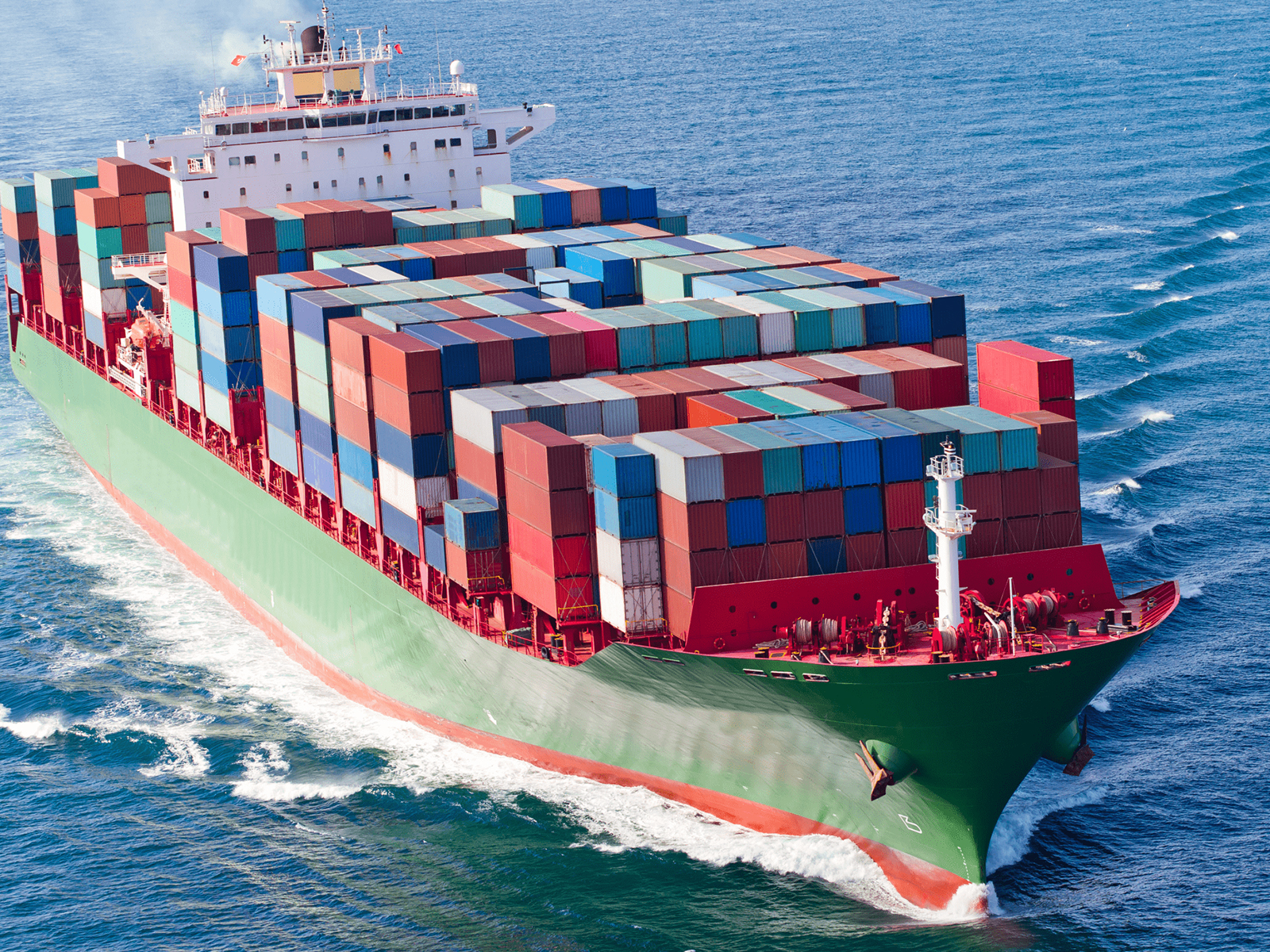
Advanced port community systems streamline information exchange and documentation processes for B2B sea services. These digital ecosystems connect various stakeholders including shipping lines, customs authorities, terminal operators, and logistics providers. The result is improved coordination, faster cargo clearance, and enhanced visibility across supply chains.
Modern ports implement sophisticated security measures, including automated access controls, CCTV surveillance, and cybersecurity protocols. These systems ensure safe and efficient movement of goods while maintaining compliance with international regulations.
The future of B2B sea services focuses increasingly on environmental sustainability. Ports worldwide are adopting green technologies, renewable energy solutions, and eco-friendly practices. These initiatives include shore power facilities for vessels, electric handling equipment, and waste management systems.
Investments in environmental protection demonstrate commitment to reducing maritime industry's carbon footprint while meeting growing demand for sustainable shipping solutions. Many ports are also developing facilities for alternative fuels and implementing measures to protect marine ecosystems.
Ongoing and planned infrastructure developments will further enhance global B2B sea services capabilities. Projects include channel deepening, berth expansion, and construction of specialized terminals. These improvements aim to accommodate larger vessels and handle growing cargo volumes efficiently.
Future developments focus on creating resilient port infrastructure capable of withstanding climate change impacts while supporting evolving shipping industry needs. Integration with multimodal transportation networks remains a key priority for comprehensive logistics solutions.
Port selection depends on various factors including geographical location, infrastructure capabilities, operational efficiency, cost structure, connectivity with inland transportation, and availability of specialized handling facilities. Additional considerations include customs procedures, regulatory environment, and value-added services offered by the port.
Ports utilize advanced technologies, automated systems, and skilled workforce to ensure efficient cargo handling. This includes modern equipment like gantry cranes, automated guided vehicles, and sophisticated terminal operating systems. Regular maintenance, strategic planning, and coordination between stakeholders also contribute to operational efficiency.
Digital solutions enhance port operations through improved communication, automated processes, and real-time visibility. These include port community systems, blockchain applications, IoT sensors, and artificial intelligence. Digital transformation enables better resource allocation, reduced waiting times, and enhanced security while providing valuable data for decision-making.


