 ×
×

Modern businesses face an increasingly complex challenge when managing their supply chain logistics: how to effectively balance cost efficiency with delivery speed while maintaining service quality. The rise of global commerce has made B2B air sea truck solutions essential components of successful business operations, requiring companies to develop sophisticated strategies that optimize both financial performance and customer satisfaction. Understanding the intricate relationship between different transportation modes enables organizations to make informed decisions that drive competitive advantage in today's fast-paced marketplace.
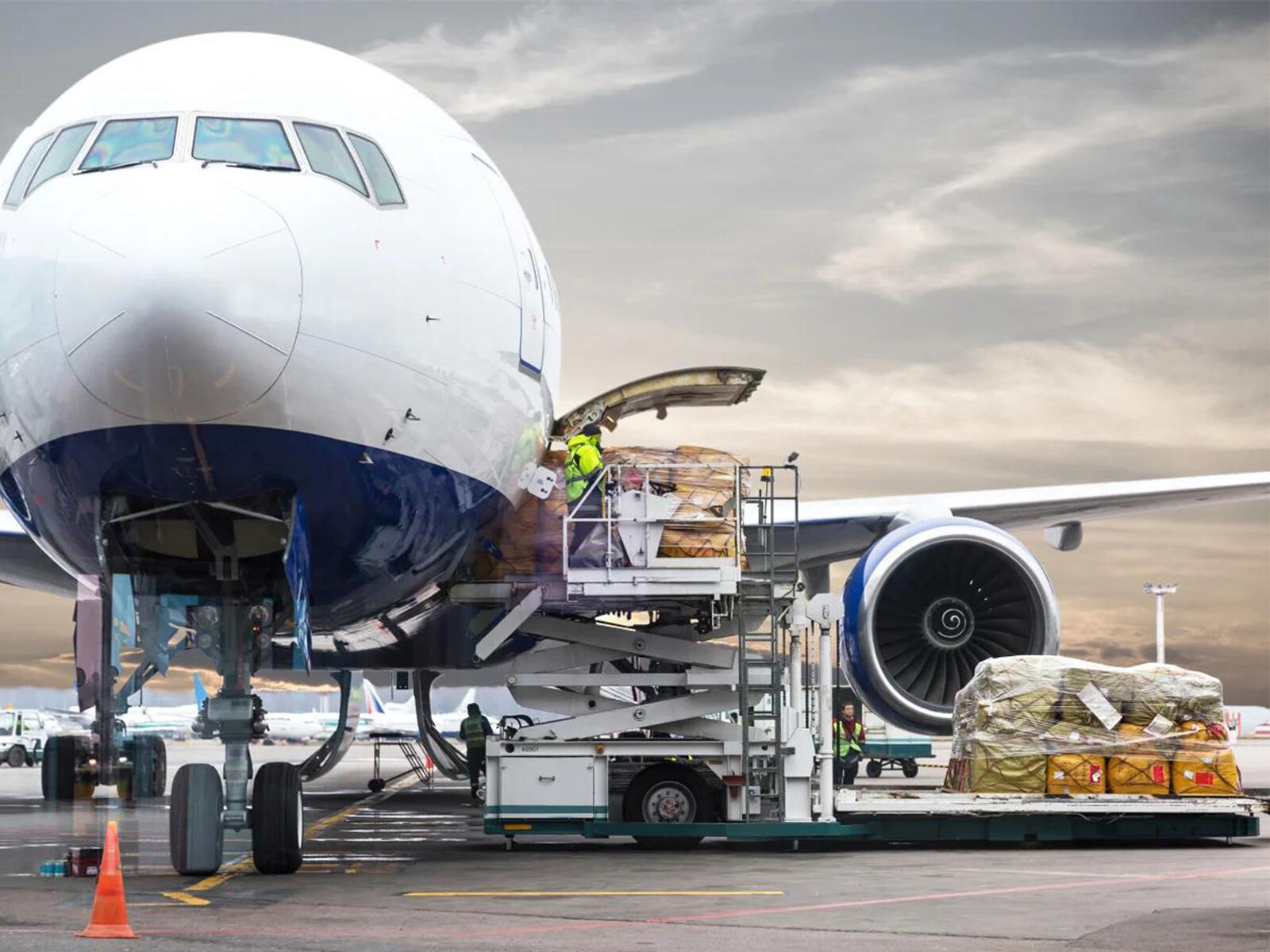
The logistics landscape has evolved dramatically over the past decade, with businesses increasingly recognizing that one-size-fits-all approaches to freight transportation no longer meet the diverse needs of modern commerce. Companies must now evaluate multiple factors including shipment urgency, cost constraints, cargo characteristics, and destination requirements when selecting appropriate transportation methods. This complexity has led to the development of integrated logistics strategies that leverage the unique advantages of air, sea, and truck transportation modes to create optimized supply chain solutions.
Air transportation offers unmatched speed and reliability for time-sensitive shipments, making it the preferred choice for high-value, low-weight cargo that requires rapid delivery. The aviation industry has invested heavily in infrastructure and technology improvements that enable consistent transit times and reduced handling risks. Modern air cargo facilities feature advanced tracking systems, climate-controlled environments, and streamlined customs processing capabilities that support complex international business requirements.
Companies utilizing air freight benefit from reduced inventory carrying costs, improved cash flow cycles, and enhanced customer satisfaction through faster order fulfillment. The reliability of scheduled airline services allows businesses to maintain lean inventory levels while meeting tight delivery commitments. However, organizations must carefully evaluate the premium pricing associated with air transportation and ensure that the speed benefits justify the additional costs within their overall business model.
Ocean transportation provides the most cost-effective solution for large volume shipments, particularly for goods that are not time-sensitive. Container shipping has revolutionized global trade by standardizing cargo handling processes and enabling significant economies of scale. Modern container vessels can transport thousands of twenty-foot equivalent units, dramatically reducing per-unit transportation costs for businesses that can plan their shipments around longer transit times.
The maritime industry continues to invest in larger, more efficient vessels and port automation technologies that further reduce operational costs. B2B air sea truck solutions often incorporate sea freight as the backbone for regular inventory replenishment, allowing companies to maintain competitive pricing while ensuring adequate stock levels. Environmental considerations also favor ocean transportation, as it produces significantly lower carbon emissions per ton-mile compared to other transportation modes.
Ground transportation via truck offers unparalleled flexibility and door-to-door service capabilities that make it indispensable for regional and domestic logistics operations. The extensive highway infrastructure in developed markets enables trucks to reach virtually any business location, providing last-mile connectivity that other transportation modes cannot match. Modern trucking fleets utilize advanced routing optimization software, real-time tracking systems, and fuel-efficient vehicles that enhance both service quality and cost effectiveness.
The trucking industry has embraced technological innovations including electronic logging devices, predictive maintenance systems, and driver assistance technologies that improve safety and reliability. These advancements enable businesses to integrate truck transportation seamlessly into their broader logistics strategies, creating efficient connections between different transportation modes and ensuring smooth cargo transitions throughout the supply chain network.
Effective volume consolidation represents one of the most powerful tools for reducing transportation costs while maintaining acceptable service levels. Businesses can achieve significant savings by combining multiple smaller shipments into larger consolidated loads, taking advantage of economies of scale offered by carriers. This approach requires careful coordination of order timing, inventory planning, and customer communication to ensure that consolidation efforts do not negatively impact service commitments.
Advanced planning systems enable companies to identify consolidation opportunities across different product lines, customers, and geographic regions. By analyzing historical shipping patterns and forecasting future demand, organizations can develop consolidation strategies that optimize both cost and service performance. The key lies in finding the right balance between shipment frequency and load sizes that minimizes total logistics costs while meeting customer expectations for delivery performance.
Building strategic partnerships with transportation providers enables businesses to secure preferential pricing, priority service, and enhanced operational support. Long-term carrier relationships provide mutual benefits through volume commitments, consistent business flow, and collaborative problem-solving approaches. Successful partnerships require clear communication of expectations, regular performance reviews, and joint efforts to identify improvement opportunities that benefit both parties.
Companies implementing B2B air sea truck solutions should develop tiered carrier strategies that include primary providers for regular shipments and backup options for capacity flexibility. This approach ensures service continuity during peak seasons or unexpected disruptions while maintaining competitive pricing through strategic volume allocation. Regular market analysis and carrier performance benchmarking help organizations optimize their provider networks and negotiate favorable contract terms.
Intermodal transportation combines multiple transportation modes to create optimized routing solutions that balance speed and cost considerations. This approach leverages the unique strengths of each transportation mode while minimizing their individual limitations. For example, combining sea freight for long-haul international segments with air freight for final delivery can provide significant cost savings compared to all-air solutions while maintaining acceptable transit times.
Successful intermodal strategies require sophisticated planning systems that can evaluate multiple routing options and select optimal combinations based on specific shipment requirements. Technology platforms that integrate carrier schedules, transit times, and pricing information enable businesses to make data-driven decisions that optimize both cost and speed performance. The key is developing standardized processes that can quickly identify the best intermodal solutions for different types of shipments.
Many transportation providers offer expedited processing programs that can significantly reduce transit times for critical shipments. These programs typically include priority booking, dedicated handling procedures, and enhanced tracking capabilities that ensure urgent cargo receives preferential treatment throughout the transportation process. While these services command premium pricing, they provide valuable options for time-sensitive business requirements.
Businesses should establish clear criteria for determining when expedited services are justified based on the value and urgency of specific shipments. Cost-benefit analysis frameworks help organizations make consistent decisions about when to utilize premium services versus standard transportation options. Regular evaluation of expedited service utilization patterns can reveal opportunities to optimize both service levels and transportation costs through better planning and inventory management.
Advanced tracking and visibility systems provide the real-time information necessary to make proactive decisions that optimize both cost and speed performance. These platforms integrate data from multiple carriers and transportation modes to provide comprehensive shipment visibility throughout the supply chain. Real-time alerts enable quick response to potential delays or disruptions, allowing businesses to implement alternative solutions before customer service is impacted.
Modern visibility systems utilize IoT sensors, GPS tracking, and API integrations to provide detailed information about shipment location, condition, and estimated arrival times. This information enables businesses to optimize inventory planning, improve customer communication, and identify opportunities for process improvements. The data collected through visibility systems also supports performance analysis and carrier evaluation activities that drive continuous improvement in B2B air sea truck solutions.
Predictive analytics leverages historical data and machine learning algorithms to forecast transportation performance and identify optimization opportunities. These systems can predict potential delays, recommend optimal routing options, and suggest inventory positioning strategies that minimize both cost and delivery time risks. Advanced analytics platforms process vast amounts of data from multiple sources to provide actionable insights that support strategic decision-making.
The implementation of predictive analytics requires significant data integration efforts and analytical capabilities, but the benefits include improved forecasting accuracy, reduced transportation costs, and enhanced customer satisfaction. Organizations can use predictive models to optimize carrier selection, route planning, and inventory positioning decisions that directly impact both cost and speed performance. Continuous model refinement based on actual performance data ensures that analytical insights remain accurate and relevant to changing business conditions.
Effective performance measurement requires the development of comprehensive KPI frameworks that capture both cost and speed metrics across all transportation modes. Key indicators should include total transportation costs, on-time delivery performance, transit time variability, and cost per unit metrics that enable meaningful comparisons between different B2B air sea truck solutions. Regular monitoring of these metrics provides the foundation for data-driven decision-making and continuous improvement initiatives.
Performance dashboards that consolidate KPI data from multiple sources enable managers to quickly identify trends, exceptions, and improvement opportunities. Automated reporting systems reduce the administrative burden of performance monitoring while ensuring that critical metrics receive consistent attention. The key is establishing measurement frameworks that align with business objectives and provide actionable insights that drive meaningful improvements in logistics performance.
Regular benchmarking against industry standards and best practices helps organizations identify gaps in their current performance and opportunities for improvement. This process involves comparing key metrics against industry averages, competitor performance, and internal historical data to establish performance targets and improvement priorities. Benchmarking activities should encompass both cost and service metrics to ensure balanced optimization efforts.
Best practice implementation requires systematic approaches to process improvement, technology adoption, and organizational change management. Successful organizations develop structured methodologies for evaluating, testing, and implementing new practices that enhance their logistics capabilities. Regular review cycles ensure that improvement initiatives deliver expected results and identify additional opportunities for optimization in B2B air sea truck solutions.
The primary factors include shipment urgency, cargo value and weight, total transportation budget, destination accessibility, and environmental considerations. Businesses should evaluate the total cost of ownership including inventory carrying costs, not just transportation rates. Time-sensitive, high-value goods typically justify air freight premiums, while large volume, non-urgent shipments benefit from sea freight cost efficiency. Truck transportation provides optimal flexibility for regional deliveries and door-to-door service requirements.
Success measurement requires comprehensive KPI frameworks that balance cost efficiency with service quality metrics. Key indicators include total logistics costs as a percentage of revenue, on-time delivery performance, inventory turnover rates, and customer satisfaction scores. Companies should track these metrics across different transportation modes and shipping lanes to identify optimization opportunities. Regular benchmarking against industry standards and internal historical performance provides context for evaluating improvement initiatives.
Technology enables real-time visibility, predictive analytics, and automated decision-making that optimize both cost and speed performance. Advanced transportation management systems integrate data from multiple carriers and modes to provide comprehensive shipment tracking and performance analysis. Machine learning algorithms can predict delays, recommend optimal routing options, and identify cost-saving opportunities. Digital platforms also facilitate better communication and collaboration between shippers, carriers, and customers throughout the supply chain process.
Effective disruption preparedness requires diversified carrier networks, flexible capacity arrangements, and robust contingency planning. Companies should maintain relationships with multiple providers across different transportation modes to ensure alternative options during disruptions. Safety stock positioning, alternative routing capabilities, and clear escalation procedures help minimize the impact of unexpected events. Regular scenario planning and stress testing of transportation networks identify vulnerabilities and improvement opportunities before disruptions occur.


