 ×
×

The maritime industry continues to evolve rapidly, and B2B sea services have emerged as a crucial factor in helping businesses optimize their shipping operations and reduce costs. As global trade becomes increasingly complex, companies are seeking sustainable solutions to manage their transportation expenses while maintaining efficiency and reliability in their supply chains.
Modern B2B sea services offer comprehensive solutions that extend far beyond traditional shipping arrangements. These services encompass everything from route optimization and cargo consolidation to digital tracking systems and automated documentation processes. By leveraging these advanced capabilities, businesses can achieve significant cost reductions while improving their overall logistics performance.
When businesses implement B2B sea services effectively, they experience immediate improvements in their operational efficiency. These services streamline the booking process, optimize container utilization, and reduce administrative overhead. The implementation of digital platforms allows for real-time tracking and monitoring, enabling companies to make data-driven decisions that directly impact their bottom line.
Advanced B2B sea services also incorporate artificial intelligence and machine learning algorithms to predict optimal shipping routes, weather patterns, and port conditions. This predictive capability helps businesses avoid costly delays and make informed decisions about their shipping schedules, ultimately leading to substantial cost savings.
One of the most significant advantages of modern B2B sea services is their ability to help businesses optimize their resources. Through sophisticated capacity management systems, companies can maximize container utilization and reduce empty container movements. This optimization leads to better space utilization and lower per-unit shipping costs.
Additionally, B2B sea services providers often offer flexible pricing models and volume-based discounts that can significantly reduce long-term shipping expenses. By consolidating shipments and leveraging economies of scale, businesses can negotiate better rates and terms with carriers, resulting in sustainable cost savings over time.
The integration of technology in B2B sea services has revolutionized how companies manage their maritime logistics. Advanced digital platforms provide enhanced visibility across the entire supply chain, enabling businesses to identify inefficiencies and implement corrective measures promptly. These technological solutions also facilitate better communication between stakeholders, reducing delays and associated costs.
Furthermore, blockchain technology and smart contracts are increasingly being adopted within B2B sea services, streamlining documentation processes and reducing administrative costs. These innovations help eliminate redundancies and minimize the risk of errors that could lead to expensive delays or complications.
Modern B2B sea services leverage big data analytics to provide valuable insights into shipping patterns, cost drivers, and performance metrics. This data-driven approach enables businesses to make informed decisions about their shipping strategies and identify opportunities for cost reduction. Companies can analyze historical data to optimize routes, predict maintenance needs, and improve fuel efficiency.
The implementation of Internet of Things (IoT) devices and sensors also allows for real-time monitoring of cargo conditions and vessel performance. This capability helps prevent costly incidents and ensures optimal operating conditions throughout the journey.
Effective B2B sea services incorporate comprehensive risk management strategies that help businesses avoid unexpected costs and disruptions. By implementing robust contingency plans and maintaining strong relationships with multiple carriers, companies can ensure business continuity while managing costs effectively.
Long-term contracts and strategic partnerships with B2B sea services providers often result in preferential rates and priority access to capacity during peak seasons. This approach helps businesses maintain predictable shipping costs and avoid the volatility of spot market rates.
Modern B2B sea services are increasingly focusing on environmental sustainability, which often translates to cost savings. By utilizing eco-friendly vessels and optimizing routes for fuel efficiency, businesses can reduce their environmental impact while lowering operational costs.
These services also help companies comply with environmental regulations without incurring excessive costs. By staying ahead of regulatory requirements and implementing sustainable practices, businesses can avoid potential fines and benefit from incentives offered for environmental compliance.
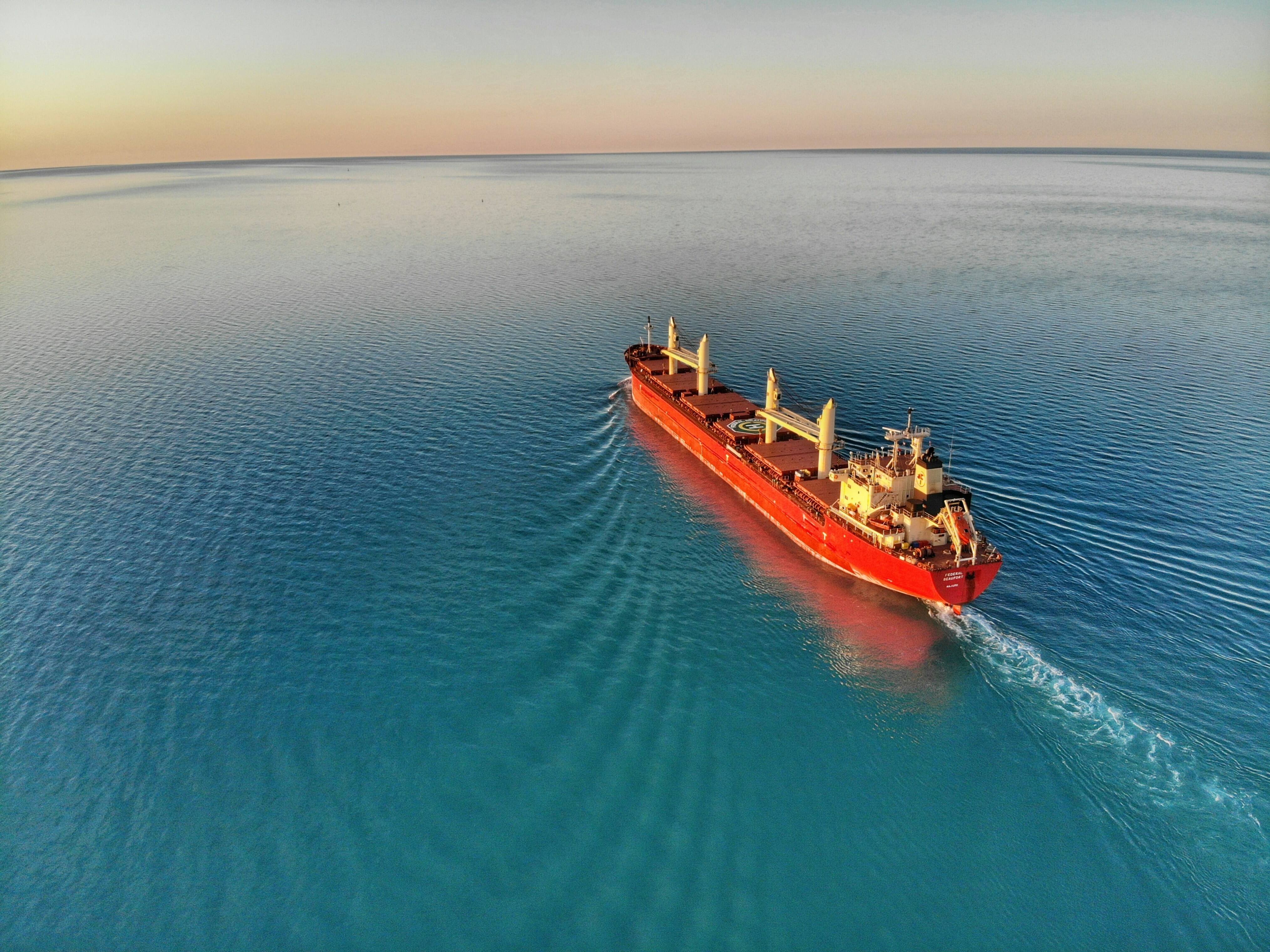
The future of B2B sea services holds promising developments in autonomous vessels, advanced analytics, and artificial intelligence. These innovations are expected to further reduce operational costs while improving service reliability and efficiency. Companies that embrace these technological advancements early will be better positioned to achieve long-term cost savings.
Investment in digital infrastructure and automation continues to drive down the cost of maritime logistics. As these technologies mature, businesses can expect to see even greater opportunities for cost optimization and operational efficiency.
The B2B sea services market is continuously evolving, with new players and solutions emerging regularly. This competition drives innovation and helps keep costs competitive for businesses. Companies that maintain flexibility and adaptability in their approach to maritime logistics will be better equipped to take advantage of new cost-saving opportunities as they arise.
Industry consolidation and strategic alliances among service providers are creating more comprehensive and cost-effective solutions for businesses. These partnerships often result in improved service offerings and more competitive pricing options for customers.
Most businesses begin to see initial cost reductions within the first three to six months of implementing B2B sea services. However, the full benefits of cost optimization typically become apparent after a complete annual shipping cycle, as seasonal variations and long-term contract benefits come into play.
Key considerations include the provider's technological capabilities, global network coverage, track record of reliability, pricing structure, and ability to scale services according to business needs. It's also important to evaluate their commitment to innovation and environmental sustainability.
Yes, B2B sea services can be beneficial for businesses of all sizes. Many providers offer scalable solutions that can be tailored to different business volumes and requirements, making it possible for smaller companies to access the same cost-saving benefits as larger organizations.
Modern B2B sea services utilize advanced risk management systems and maintain extensive carrier networks to minimize the impact of disruptions. They typically offer alternative routing options, real-time tracking, and proactive problem-solving capabilities to ensure business continuity while managing costs effectively.


